
Small Steps, Meaningful Moves: Introducing Traditional Minang Dance to Children with Disabilities
We believe that every child, regardless of their physical, emotional, or cognitive challenges, deserves to experience the beauty of culture, expression, and movement.
BLOG
5/13/20232 min read
At Semesta Kecil, we believe that every child—regardless of their physical, emotional, or cognitive challenges—deserves the opportunity to experience the beauty of culture, expression, and movement. We took a joyful step forward by introducing traditional Minangkabau dance to our children with disabilities.
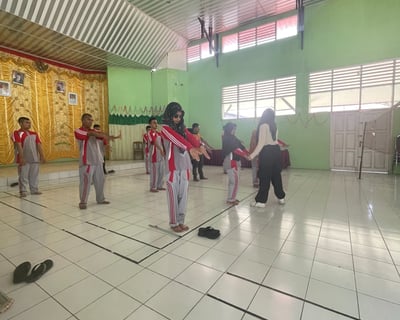
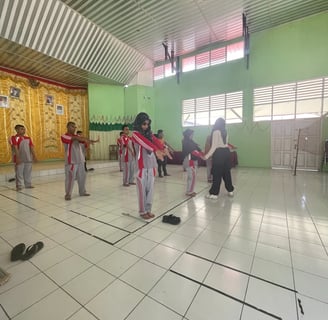
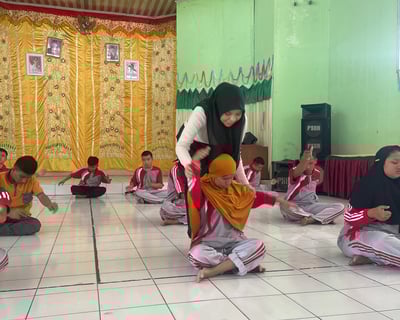
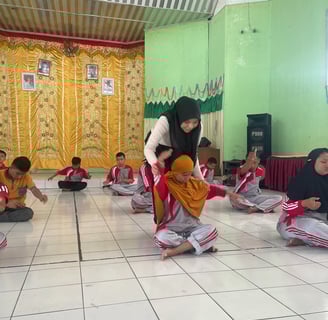
Minang dance is more than just graceful movements; it is a reflection of values, stories, and heritage deeply rooted in the Minangkabau culture. Through rhythm, posture, and expression, these dances tell tales of nature, community, and resilience—values we believe resonate strongly with our children.
With the help of patient dance instructors and inclusive teaching methods, the children explored basic movements of Tari Piring and Tari Pasambahan. We adapted the sessions to fit each child's needs: using visual cues, hand-over-hand guidance, and simplified steps to ensure that every participant felt included, supported, and celebrated.
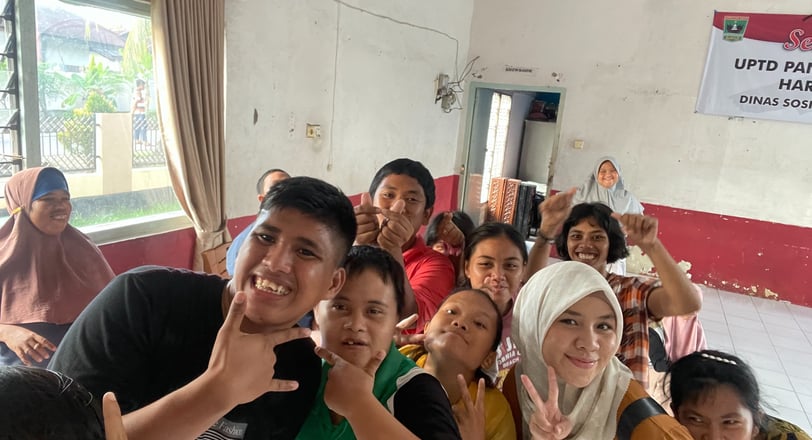
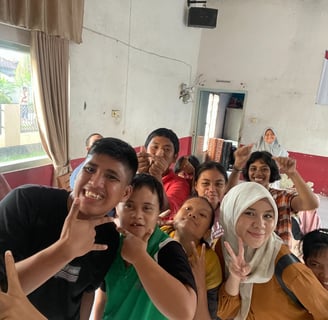
What touched us the most was seeing the pure joy in their faces—the sparkle of confidence in every hand gesture, every spin, every beat of the drum. Some children who rarely engaged in group activities found connection through movement. Others who struggled with verbal expression discovered a new language through dance.
Our goal is not to perfect each move, but to create a safe, loving space where children can express themselves, connect with culture, and feel proud of their identity.
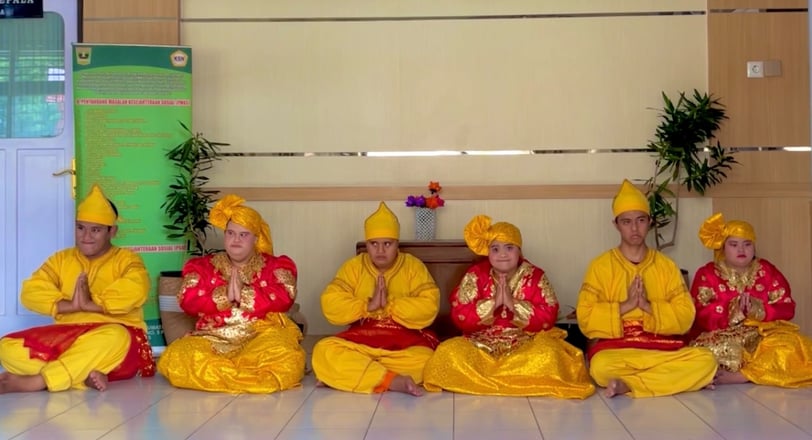
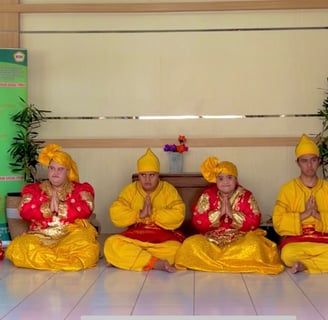
Minang dance has taught us that tradition is not fixed—it lives and grows with the people who carry it. And now, through these small steps and meaningful moves, our children are becoming part of that living tradition.